Sustainable Home Fixture Selection and Best Practices
Home Remodeling : Examine the Key Offerings That Can Refresh Your Residential Area
Residential remodeling is a strategic approach to enhance both the utility and visual charm of a home. By focusing on critical zones such as kitchens, the bathroom, and exterior areas, homeowners can greatly improve their home surroundings. Each remodel introduces distinct chances and challenges. Knowing these elements can result in educated selections and satisfying outcomes. What specific aspects should homeowners consider before beginning their renovation project?
Kitchen Remodeling: Modernizing the Heart of Your Home
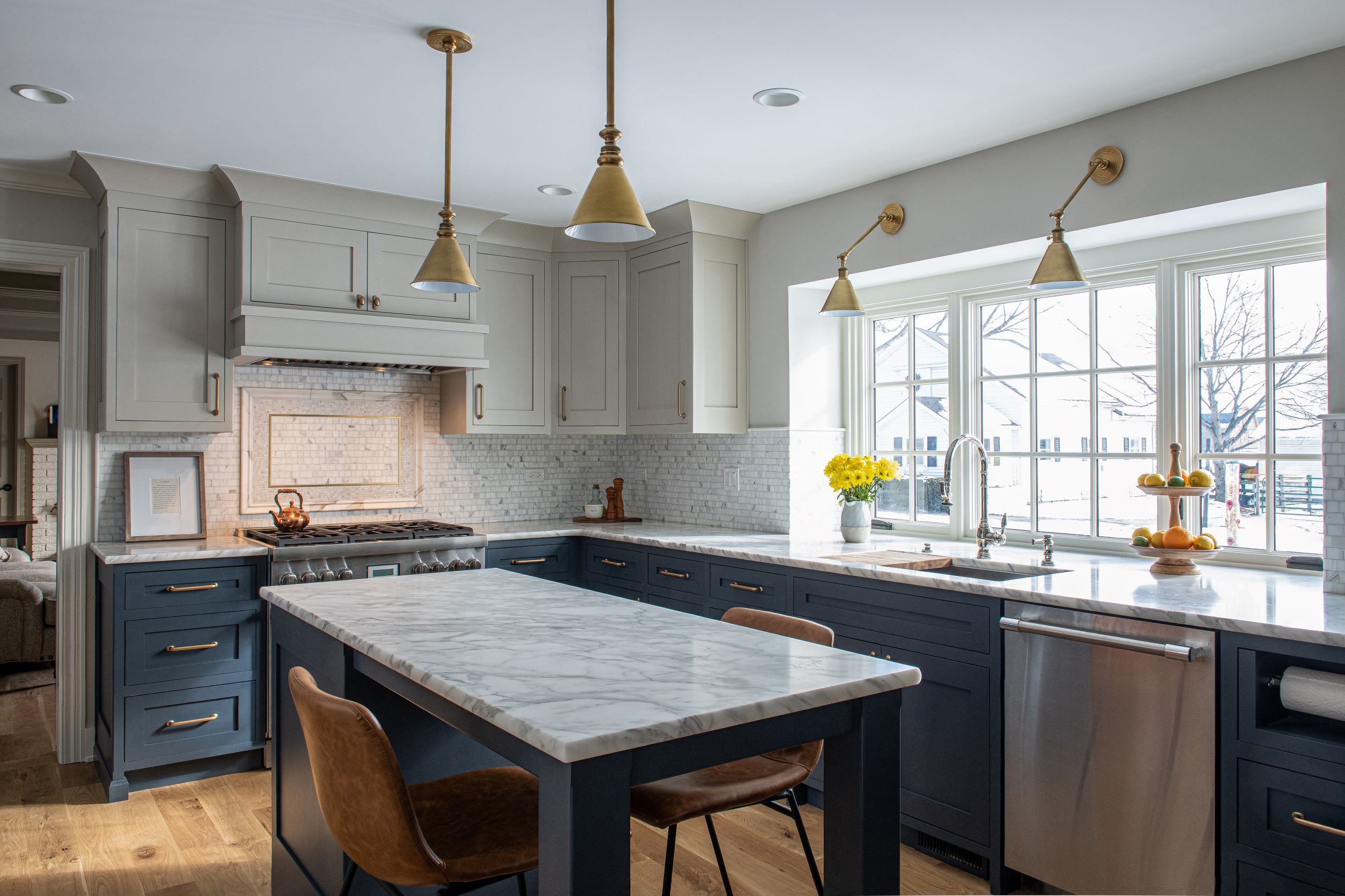
As homeowners look to enhance their living spaces, kitchen renovation is viewed as a significant change that can notably elevate both practical use and beauty. A properly planned kitchen upgrade can improve the effectiveness of cooking, optimize storage, and foster a welcoming environment for family time and entertaining guests.
Key elements such as up-to-date equipment, updated cabinetry, and stylish countertops can vastly enhance the space. Homeowners commonly select open-concept designs, which promote connection between the kitchen and nearby spaces.
Lighting also plays a vital role, with options ranging from general lighting to focused illumination that highlights workspaces.
Using eco-friendly products and energy-efficient appliances not only contributes to environmental stewardship but can also result in savings over time. Finally, kitchen remodeling is not just about aesthetics; it is an investment that can boost daily routines while boosting resale value.
Renovating the Bathroom: Creating a Spa-Like Retreat
Renovating bathrooms can change a basic area into a spa-like getaway. By including high-end fixtures and materials, homeowners can boost the aesthetic and functionality of their bathrooms. Moreover, space optimization techniques can make the space better, making even smaller bathrooms feel expansive and inviting.
High-End Fittings and Materials
Converting a bathroom into a spa-like retreat relies greatly on the picking of luxurious fixtures and finishes that elevate both aesthetics and functionality. Top-tier fixtures and fittings, made using materials such as brushed nickel or polished chrome, lend an elegant touch and deliver excellent functionality. Deep soaking tubs and large walk-in showers, adorned with decorative tile patterns and frameless glass doors, foster a peaceful mood. Incorporating natural stone countertops and bespoke cabinets enhances the overall appeal, providing both style and utility. Ambient lighting, including wall sconces or ceiling lights, helps establish a peaceful atmosphere. By carefully choosing these elements, residents are able to build a relaxing retreat that invites relaxation and rejuvenation, thereby turning daily rituals into indulgent experiences.
Techniques for Space Efficiency
Creating a spa-like retreat demands more than just premium fixtures and surfaces but also smart space-saving strategies to get the most out of the space. A good strategy is to consider utilizing vertical space using wall-mounted units and shelves, thereby minimizing floor obstacles and create an airy feel. Furthermore, using versatile furniture pieces, like a storage-equipped vanity, can enhance usability and cutting down on unnecessary pieces. Well-planned lighting, like soft lighting and built-in ceiling lights, also helps establish a welcoming mood without making the area feel crowded. Moreover, using light color palettes and glossy finishes can visually expand the area, allowing it to seem less confined. By thoughtfully implementing these techniques, the space can turn into a tranquil haven, balancing both elegance and functionality.
Living Room Enhancements: Focusing on Style and Ease
As people aim to upgrade their homes, they usually prioritize improvements which boost both aesthetics and coziness in the living room. Essential upgrades involve picking soft, appealing furnishings that encourages relaxation and fitting the room's design. Incorporating soft textiles, like decorative cushions and large rugs, can add warmth and texture, establishing a comfortable mood.
Additionally, updating lighting fixtures with stylish designs and dimmable controls transforms the atmosphere, making the space more inviting. Fresh paint or wallpaper with tranquil tones can further breathe new life into the room, establishing a cohesive look.
Lastly, incorporating smart systems, such as integrated smart devices, not only boosts convenience but also adds a contemporary touch. Through making these intentional improvements, they can turn their main rooms into elegant, comfortable retreats which showcase their unique taste.
Outside Spaces: Growing Your Home's Reach
Outside areas have emerged as a highly sought-after addition to the residence, allowing residents to connect with nature and boosting their home's utility and beauty. These spaces often include decks, patios, and outside cooking areas designed for ease of entertaining and unwinding. By incorporating features such as fire pits, water elements, and comfortable seating areas, residents are able to establish welcoming settings for family gatherings or quiet evenings under the stars.
Landscaping is essential in the design of outdoor living areas, offering an easy flow from the interior to the exterior. Thoughtful plant selection and layout can enhance privacy and fostering a peaceful mood. Furthermore, integrating lights makes the area functional at night, making the space a dynamic place for socializing.
In the end, spending on exterior living areas not only expands a home’s footprint but also raises its market value, which attracts prospective purchasers in the current housing market.
Basement Remodeling: Converting Unused Areas
Transforming an unused basement into a functional living space is able to significantly improve the utility and value of a home. This space is frequently ignored by owners, but with thoughtful planning and design, it can be used for different functions like an entertainment zone, home office, or guest suite.
Key considerations in basement finishing include moisture control, insulation, and proper lighting. A successful remodeling project is able to include elements such as built-in storage, updated flooring, and stylish finishes that make the space inviting.
Additionally, adhering to local building codes and regulations is necessary to ensure compliance and safety. It is also common for owners to seek expert help to navigate the complexities of design and construction.
In the end, a remodeled basement doesn't just add to the home's living area it provides a safe haven which serves the many needs of contemporary households, which makes it a beneficial expenditure for homeowners.
Whole House Remodeling: A Total Transformation
Whole house remodeling requires careful design planning to ensure that all parts of the residence aligns with the owner's requirements and vision. Creating a budget for the remodel is just as important, because it assists in controlling costs and minimizes surprise costs throughout the project. Together, these elements data form the foundation for an effective and comprehensive house renovation.
Design Planning Essentials
What essential elements should homeowners consider when starting on an extensive home remodeling project? First, a clear vision is critical; homeowners should identify their goals and desired outcomes for the space. Next, understanding the layout and flow of the home helps in maximizing functionality. Homeowners should also assess existing structures to determine what can be retained or needs alteration. Engaging with professional designers can provide valuable insights and innovative solutions tailored to individual needs. Additionally, considering the lifestyle of the occupants is significant, as it influences design choices, materials, and finishes. Finally, determining a timeline for the project guarantees that expectations are managed, allowing for a smoother implementation of the remodeling process.
Budgeting for Renovations
As homeowners commence on an extensive remodel, establishing a realistic budget becomes imperative. This process requires meticulous planning and consideration of various factors, including materials, labor, and unforeseen expenses. Homeowners should begin by evaluating their financial situation and determining how much they can allocate for the entire project. It is advisable to create a detailed list of expected costs, accounting for both essential renovations and desired upgrades. Additionally, setting aside a contingency fund—typically 10-20% of the total budget—can help manage unexpected issues that may arise during the renovation. By prioritizing needs versus wants, homeowners can guarantee that their ambitious remodeling projects remain financially feasible, ultimately leading to a successful and satisfying transformation of their living spaces.
Frequently Asked Questions
How Do I Budget for a Home Remodeling Project?
To budget for a home remodeling project, one should assess overall costs, prioritize needs versus wants, gather multiple quotes from contractors, allocate a contingency fund, and track expenses meticulously throughout the renovation process.
What Permits Are Required for Home Renovations?

Permits for home renovations typically include building permits, electrical permits, plumbing permits, and possibly zoning permits. Regulations differ depending on the area, so consulting with the municipal government or engaging a professional guarantees compliance with all regulations.
How Can I Choose an Appropriate Professional?
In order to pick a suitable professional, one should research credentials, check testimonials, request various bids, verify past work, and maintain transparent discussion regarding expectations and schedules. Mutual respect and good chemistry are essential to ensure a good working relationship.
What Duration Should I Expect for the Construction Work?
The typical timeline for a remodel varies, generally taking a few weeks to many months. Elements like project scope, the professional's capacity, and unforeseen delays can greatly influence the overall duration of the renovation project.
How Do I Keep Interruptions to a Minimum During Construction?
In order to limit inconvenience during the construction phase, one can establish clear communication with contractors, designate substitute accommodation, arrange work during quieter times, and keep a adaptable schedule, thus guaranteeing a more seamless process for all involved.